The Walking Dead: Survivors
Galaxy Play Technology LimitedStrategy
4.538.45K Reviews
- Version
- 8.8.1
- Installs
- 10.00M
- Age Rating
- Teen
Screenshots

Our Review of The Walking Dead: Survivors
 Analysis by Appyee
When I play The Walking Dead: Survivors, I find that its demands extend beyond choosing how to handle walkers: the game asks me to keep track of a settlement, resources, missions and other players. That mix gives each session a sense of purpose, but it also makes the way information is presented and the time I can give it matter. If you enjoy strategy games but need to fit them around a busy day, those practical details are worth considering before you settle in.
Reading the screen and finding your way around
The game’s core decisions are easy to understand in broad terms: build up a community, gather supplies, defend your position and work with allies. I appreciate that this gives newcomers a clear theme to hold onto even when several parts of the strategy need attention. The challenge is that a settlement game naturally asks you to monitor more than one thing at a time. If you prefer a very uncluttered interface or struggle to scan small bits of information quickly, the overall pace of decision-making may feel less comfortable.
I’d recommend taking a little time early on to learn where the actions you use most often are, rather than trying to tap through every available activity in one go. A simple personal routine—check the settlement, review what resources seem most pressing, then decide whether to focus on missions or alliance activity—can make the game easier to follow. It also helps prevent the feeling that every notification or new task deserves immediate attention.
Comfort, controls and sensory load
Most of the interaction is built around making choices and managing a community, rather than relying only on fast, continuous action. That can suit players who prefer planning to reflex-heavy combat. Still, strategy does not automatically mean low effort: frequent taps, switching between activities and keeping an eye on competing demands can become tiring, especially during longer sessions. I’d treat short visits as a sensible way to see whether the controls and screen layout work well for you.
The presentation also leans into the tension of a zombie setting. The original review notes ominous sound effects and a gritty atmosphere; those details help establish mood, but they may not be welcome in every place or for every player. I would lower the volume or play in a quieter, more suitable setting if the growls and suspense are distracting. If you are sensitive to tense themes, remember that the game’s survival premise is central rather than an occasional decoration.
Playing around real-life interruptions
This is most appealing to me when I can check in with a purpose, make a few strategic choices, and then return later. For example, during a lunch break I might look at the settlement, decide whether strengthening defenses or gathering supplies makes more sense, and check what my group is doing. That kind of session makes the community-management side feel useful without requiring me to treat every spare minute as game time.
There is a trade-off: alliances and conflicts with other players add variety, but they can also make the experience feel less self-contained than a solo strategy game. If you want a campaign you can pause and resume without thinking about a group, this social emphasis may not fit. I’d also avoid making in-game spending decisions in a hurry; the game is free to start, while purchases are available, so it is worth setting a personal limit before playing if you prefer to keep mobile gaming costs predictable.
Who will enjoy the slower strategic choices
I think the strongest match is someone who likes building a settlement, weighing defense against expansion, and coordinating with other players. Fans of the series may also enjoy seeing familiar characters appear within a strategy setting. Compared with a typical action game focused on aiming and quick combat, this one puts more weight on planning, resource decisions and group dynamics. Compared with a purely solo base-building game, its alliances and territorial competition bring a more social, less predictable layer.
I would look elsewhere if you want a short, self-contained story, a quiet offline-style puzzle, or a game where progress depends only on your own choices. The same is true if you dislike competitive pressure or would rather avoid a free-to-play game with optional purchases. Its appeal comes from balancing several ongoing concerns, not from delivering a simple zombie action sequence and then wrapping up.
First Impressions: Entering the Apocalypse
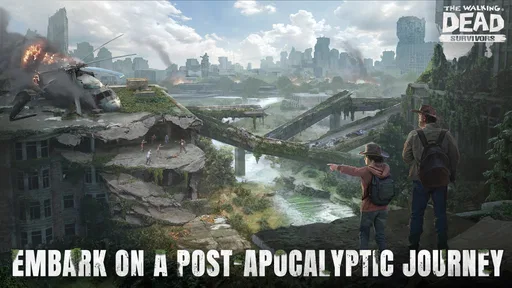
From the moment you boot up The Walking Dead: Survivors, you’re thrown into a gritty, post-apocalyptic world that’s as thrilling as it is dangerous. The game captures the essence of survival in an environment where every decision could mean life or death.
The graphics are pretty solid for a mobile game. They aren’t console-level, but they do a fantastic job of immersing you in the world of the undead. The sound effects add an extra layer of tension, with growls and groans lurking just around every corner.
Gameplay: Strategy Meets Survival
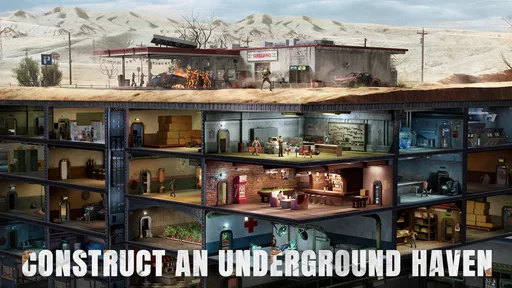
What really stands out about this game is its blend of strategy and survival elements. You’re not just bashing zombies here; you need to build and manage your own community. It’s all about making alliances, gathering resources, and expanding your territory.
Your decisions matter. Do you focus on fortifying your defenses, or do you send out raiding parties to gather more supplies? It’s a delicate balance, and every choice feels impactful. Plus, the game includes familiar characters from the series, adding a nice touch of nostalgia for fans.
Community: Strength in Numbers
One of the key features is the emphasis on community building. You can team up with other players, forming alliances that help you survive longer. The social aspect of the game is pretty engaging, and it’s interesting to see how different groups manage their resources and strategies.
There’s also a competitive edge to it. You’ll find yourself in conflicts over territory and resources, which keeps the gameplay dynamic and exciting. Trust me, nothing gets the adrenaline pumping like a surprise attack from a rival group!
Challenges and Progression
The game is challenging, but in a good way. Resources are scarce, and you’ll constantly be strategizing to make the most out of what you have. The progression system rewards careful planning, and it’s satisfying to see your community grow from a ragtag group of survivors to a fortified settlement.
However, it’s not just about defense. You’ll also need to venture out into the zombie-infested world to complete missions and gather more supplies, which is where the game’s combat mechanics really shine. It’s a mix of tactical planning and quick decision-making.
Monetization: Free to Play, Pay to Enhance
The game follows a free-to-play model with in-app purchases. While you can enjoy a substantial amount of content without spending a dime, there are options to speed up progress through microtransactions. It’s not overly intrusive, but it’s something to be aware of if you’re the type who prefers not to spend money on mobile games.
How it fits among strategy games
What separates this from a conventional turn-based strategy title is the combination of settlement management and interaction with a player community. I find that creates a more lived-in sense of a world, but it also means the experience is less tidy: other groups and competing interests can shape the mood of play. If you want every encounter to be a carefully staged tactical puzzle, a more combat-focused strategy game may be a better fit. Here, the broader question is how to keep a community growing while deciding where your attention should go.
A practical tip is to avoid treating every possible upgrade or activity as equally urgent. I get more out of the game when I choose one priority for a session—such as improving defenses or collecting supplies—and let that guide my decisions. It makes the strategy easier to follow and reduces the temptation to spend simply to clear a backlog of tasks. The trade-off is that progress can feel gradual if you only dip in briefly, but that pace may suit players who enjoy steady development rather than a short burst of action.
Practical fit, age and cost
The Walking Dead: Survivors is a free strategy game from Galaxy Play Technology Limited, with a Teen content rating. It has an average rating of 4.6 from around 1.2 million ratings, and has been installed over 10 million times. Those figures suggest broad interest, but they cannot tell me whether its social competition or tense atmosphere will suit a particular player. I’d use the age rating as a prompt to consider whether the zombie theme is comfortable for the person who will be playing.
The game was released on April 11, 2021, and version 7.32.0 requires Android 7.1 or later. Optional in-app purchases range from $0.99 to $249.99 per item, so the free entry point does not mean every purchase is small. I’d be especially cautious about buying during a frustrating stretch of slow progress: decide what, if anything, you are comfortable spending before that moment arrives. If you prefer a fixed-cost game with no purchase prompts, this model is a clear reason to choose another strategy title.
Final Thoughts: Worth the Download?
If you’re a fan of the series or just love a good survival strategy game, The Walking Dead: Survivors is definitely worth checking out. The combination of community management, strategic planning, and zombie combat offers a well-rounded gaming experience.
It’s engaging, challenging, and filled with enough twists and turns to keep you coming back for more. So, grab your gear, rally your allies, and dive into the world of The Walking Dead: Survivors. Just be ready to watch your back—those walkers are always closer than they appear!
My inclusive verdict
For me, the game’s accessibility is a matter of fit rather than a simple yes or no. Its planning-led structure can be more comfortable than a reflex-first action game, and brief, goal-oriented check-ins offer a way to play around interruptions. On the other hand, layered management, repeated interaction, competitive social play and a tense audio-visual theme are real barriers for some people. I’d try it in a short session, adjust how and where I play to suit my comfort, and see whether the settlement decisions remain enjoyable without feeling like an obligation.
Overall, I’d recommend it to players who want a zombie-themed strategy game with community and territorial stakes, and who are comfortable with a free-to-play model. If you need a calm, fully self-contained experience, dislike ongoing competition, or find this kind of screen management tiring, another game will likely serve you better. Its best quality is the way survival becomes a shared planning problem; whether that feels absorbing or demanding depends on the kind of play you want.
Verdict
Strengths of The Walking Dead: Survivors
- Engaging storyline keeps players hooked.
- High-quality graphics enhance experience.
- Strategic gameplay requires tactical planning.
- Regular updates with new content.
- Multiplayer mode fosters community interaction.
Limitations of The Walking Dead: Survivors
- In-app purchases can be expensive.
- Requires constant internet connection.
- Some tasks feel repetitive over time.
- Occasional lag in busy areas.
- Ads can interrupt gameplay.
Similar Picks in This Category
View All
Clash of Clans
Supercell4.5

Plants vs. Zombies™
ELECTRONIC ARTS3.7

Lords Mobile: Kingdom Wars
IGG.COM4.5

Clash Royale
Supercell4.4

State.io — Conquer the World
CASUAL AZUR GAMES4.1

Car Driving School : Car Games
Spark Game Studios3.9
Frequently Asked Questions
What is the main objective of The Walking Dead: Survivors?
In The Walking Dead: Survivors, the primary objective is to build and expand your settlement while surviving against waves of walkers and other players. You'll need to gather resources, recruit survivors, and form alliances to defend your community. Strategic planning and decision-making are crucial to ensure your survival in this post-apocalyptic world.
Is The Walking Dead: Survivors a free-to-play game?
Yes, The Walking Dead: Survivors is free-to-play. However, it offers in-app purchases that can enhance your gaming experience by providing additional resources, characters, and upgrades. While these purchases can speed up progress, they are optional, and players can enjoy the game without spending money.
Can I play The Walking Dead: Survivors on both Android and iOS?
Absolutely, The Walking Dead: Survivors is available for both Android and iOS platforms. You can download it from the Google Play Store or Apple App Store. Ensure your device meets the minimum system requirements for a smooth gaming experience, as updates may occasionally change these requirements.
How does multiplayer interaction work in The Walking Dead: Survivors?
The Walking Dead: Survivors features robust multiplayer interactions, allowing players to join or form clans, engage in battles against other players, and participate in cooperative gameplay. Teamwork is essential, as you can share resources, strategize together, and defend against common threats, enhancing the overall survival experience.
What kind of characters can I expect to find in the game?
In The Walking Dead: Survivors, you'll encounter a variety of characters from the iconic series, each with unique skills and abilities. Recruit these characters to strengthen your settlement. Their skills can significantly impact your strategic decisions, making resource allocation and defensive setups more effective against enemies.
Play our best games!


